
Understanding ERP for Flooring Businesses: A Complete Guide

Understanding ERP for Flooring Businesses: A Complete Guide
Enterprise Resource Planning (ERP) systems are essential tools for flooring businesses, streamlining operations and enhancing efficiency. This comprehensive guide will delve into the intricacies of ERP software tailored specifically for the flooring industry, highlighting its key features, benefits, and common concerns. Flooring businesses often face unique challenges, such as managing inventory, tracking sales, and ensuring accurate project estimates. ERP systems provide solutions to these issues, integrating various business functions into a cohesive platform. Throughout this article, we will explore the core components of ERP technology, their advantages for flooring retailers, residential and commercial installers, and contractors, and best practices for implementation. By the end, you will have a clear understanding of how ERP can transform your flooring business.
Key Takeaways
- ERP software integrates flooring business operations, improving inventory, sales, financials, and project management efficiency.
- Real-time inventory management and automated order processing reduce errors and optimize stock levels in flooring businesses.
- ERP systems enhance project management by providing tools for timelines, budgets, and resource allocation.
- Financial integration within ERP enables accurate reporting, budgeting, and improved cash flow management for flooring contractors.
- Mobile access and cloud deployment increase ERP usability by allowing real-time management from any location.
- Successful ERP implementation requires auditing current systems, engaging employees, setting clear goals, and ongoing training.
- Key benefits of ERP include time savings, cost reduction, increased sales, and improved customer retention for flooring businesses.
- Estimating software integrated with ERP ensures accurate project bids based on real-time data, improving profitability.
- Monitoring KPIs like time savings, estimate accuracy, and job completion rates helps measure ERP success effectively.
What is ERP Software for Flooring?
ERP software for flooring companies is a comprehensive solution that integrates various business processes into a single system. It facilitates the management of operations, including inventory, sales, purchasing, installations, and financials, ensuring that all departments work in harmony. The relevance of ERP in the flooring industry lies in its ability to address specific challenges, such as fluctuating inventory levels and the need for precise project management. By centralizing data and automating processes, ERP systems enhance operational efficiency and provide valuable insights for decision-making.
Key Features of Integrated Flooring Business Software
Integrated flooring business software comes equipped with several essential features designed to meet the unique needs of the industry. These features include:
- Real-time Inventory Management: This allows businesses to track stock levels accurately, reducing the risk of overstocking or stockouts.
- Automated Purchase Order Processing: Streamlining the order fulfillment process minimizes errors and speeds up delivery times.
- Efficient Installation Schedules linked to Installer Mobile APPs: Timely communication in scheduling and tracking installation crews is essential to deliver projects on time.
- Project Management Tools: These tools help contractors manage timelines, budgets, and resources effectively, ensuring projects are completed on schedule.
These features collectively enhance the operational capabilities of flooring businesses, making them more competitive in the market.
The importance of real-time data in managing materials and inventory is further emphasized by research in related fields.
Benefits of ERP for Flooring Contractors
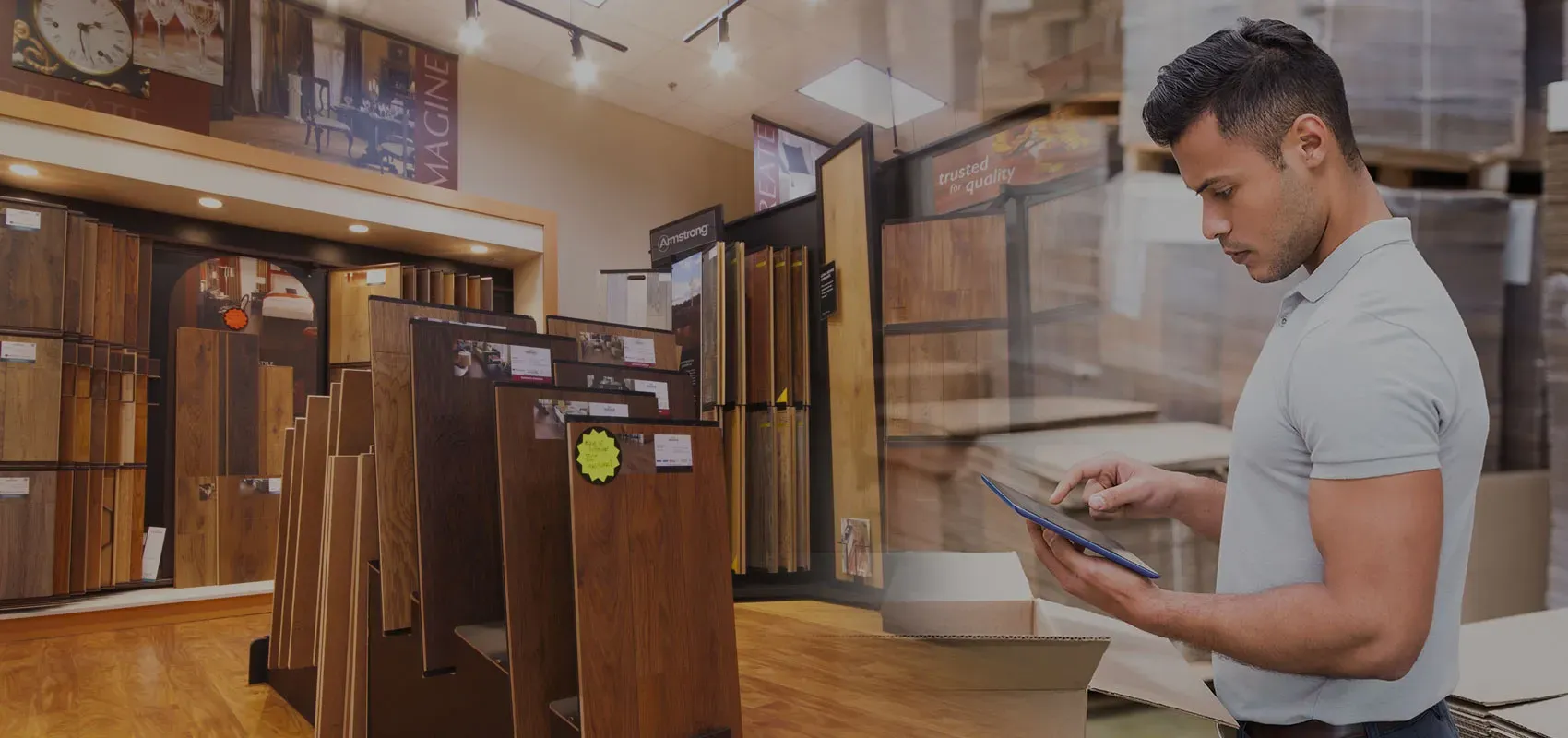
Implementing an ERP system offers numerous advantages for flooring contractors, including:
- Time Savings: Automation of routine tasks allows employees to focus on more strategic activities, improving overall productivity.
- Better Financial Control: ERP systems provide real-time financial data, enabling better budgeting and forecasting.
- Increased Sales and Customer Retention: By streamlining operations and improving service delivery, businesses can enhance customer satisfaction and loyalty.
For flooring businesses looking to optimize their operations, ERP solutions like those offered by Comp-U-Floor can be invaluable. Comp-U-Floor specializes in delivering integrated ERP and estimating solutions tailored for flooring businesses, ensuring that contractors have the tools they need to succeed.
Common Concerns About ERP Software
Despite the clear benefits, many flooring businesses have concerns about implementing ERP software. Common worries include:
- Fear of Change: Transitioning to a new system can be daunting, especially for employees accustomed to existing processes.
- Cost Implications: The initial investment in ERP software can be significant, leading some businesses to hesitate.
Addressing these concerns through proper training and demonstrating the long-term ROI of ERP systems can help alleviate fears and encourage adoption.
What Is ERP Software and Why Is It Essential for Flooring Businesses?
ERP software is a centralized platform that integrates various business functions, such as finance, inventory, purchasing, and project management. For flooring businesses, this integration is crucial as it allows for seamless communication between departments, reducing errors and improving efficiency. The necessity of ERP in the flooring industry stems from the need for accurate data management and streamlined operations, which are vital for maintaining competitiveness in a fast-paced market. ERP technology is essential for this transformation.
How Does ERP Software Streamline Flooring Business Operations?
ERP software streamlines flooring business operations by automating key processes and providing real-time data access. This leads to fewer mistakes in order processing and inventory management, as well as improved scheduling accuracy. By centralizing information, ERP systems enable businesses to respond quickly to market changes and customer demands, enhancing overall operational agility.
What Are the Core Features of Flooring ERP Systems?
Flooring ERP systems are equipped with several core features that cater specifically to the needs of the industry:
- Industry-Specific Tools: These tools are designed to address the unique challenges faced by flooring contractors.
- Scalability: As businesses grow, their ERP systems can be scaled to accommodate increased operations without significant additional investment.
- Mobile Access: Many ERP solutions offer mobile capabilities, allowing contractors to manage operations on the go.
These features ensure that flooring businesses can operate efficiently and adapt to changing market conditions.
Key Benefits of ERP Software for Flooring Businesses
The key benefits of ERP for flooring contractors and remodeling businesses include:
- Efficiency Improvements: Streamlined processes reduce the time spent on administrative tasks, allowing for more focus on core business activities.
- Cost Savings: By optimizing inventory management and reducing waste, businesses can significantly lower operational costs.
- Enhanced Project Management: ERP systems provide tools that improve project tracking and resource allocation, leading to better project outcomes.
These benefits highlight the importance of ERP systems in driving success for flooring contractors.
The successful adoption of ERP systems in the broader construction industry further underscores these advantages for contractors.
How Does ERP Improve Project Management and Sales Tracking?
ERP systems enhance project management and sales tracking by integrating workflows and providing real-time visibility into project status. This integration allows for better coordination among team members and ensures that everyone is aligned with project goals. Additionally, automated sales tracking features help businesses monitor performance metrics, enabling them to make informed decisions based on accurate data.
In What Ways Does ERP Enhance Inventory and Supply Chain Management?
ERP systems improve inventory and supply chain management through real-time tracking and automated reordering processes. This ensures that businesses maintain optimal stock levels and can respond quickly to changes in demand. Furthermore, effective warehouse management features help streamline logistics, reducing delays and improving customer satisfaction.
How Does Flooring Estimating Software Integrate with ERP Systems?
Flooring estimating software integrates seamlessly with ERP systems, providing accurate project bidding capabilities. This integration ensures that all estimates are based on real-time data, reducing the likelihood of errors and enhancing bid accuracy. By streamlining the bidding process, businesses can improve their chances of winning contracts and increase profitability.
What Role Does Estimating Software Play in Accurate Project Bidding?
Estimating software plays a crucial role in accurate project bidding by providing detailed cost breakdowns and resource allocation plans. This software allows contractors to create precise estimates based on current market prices and project requirements, ensuring that bids are competitive and realistic. Accurate estimates lead to better project planning and execution, ultimately benefiting the bottom line.
How Does Integration Reduce Costs and Increase ROI?
Integration of ERP systems with other business tools reduces costs by streamlining processes and eliminating redundancies. This efficiency leads to a higher return on investment (ROI) as businesses can allocate resources more effectively and reduce operational expenses. By leveraging integrated systems, flooring businesses can achieve significant cost savings while enhancing overall performance.
How Does Financial and Accounting Integration Benefit Flooring Businesses?
Financial and accounting integration within ERP systems benefits flooring businesses by automating financial tasks and providing real-time data access. This integration allows for more accurate financial reporting and better cash flow management. Additionally, streamlined workflows reduce the time spent on financial administration, enabling businesses to focus on growth and customer service.
What Financial Reporting Capabilities Are Enabled by ERP?
ERP systems enable various financial reporting capabilities, including:
- Sales Analysis: Businesses can analyze sales trends and performance metrics to make informed decisions.
- Job Costing and Profitability Analysis: This feature allows contractors to assess the profitability of individual projects, helping to identify areas for improvement.
- Trend Analysis: ERP systems provide insights into financial trends, enabling businesses to forecast future performance accurately.
These reporting capabilities empower flooring businesses to make data-driven decisions that enhance profitability.
How Does ERP Support Compliance and Cost Control?
ERP systems support compliance and cost control by providing real-time financial tracking and automated invoicing. This ensures that businesses adhere to regulatory requirements and maintain accurate financial records. Additionally, job costing features help contractors monitor project expenses, enabling them to stay within budget and avoid overspending.
What Factors Should Flooring Businesses Consider When Choosing an ERP System?
When selecting an ERP system, flooring businesses should consider several factors:
- Industry-Specific Features: Ensure the system includes tools tailored to the flooring industry.
- Scalability: Choose a solution that can grow with the business.
- User-Friendly Interface: A system that is easy to navigate will facilitate employee adoption and training.
These considerations are crucial for ensuring that the chosen ERP system meets the unique needs of flooring businesses.
Which Features Are Critical for Flooring and Remodeling Operations?
Critical features for flooring and remodeling operations include:
- Real-time Inventory Management: Essential for tracking stock levels and preventing shortages.
- Customer Relationship Management (CRM): Helps manage customer interactions and improve service delivery.
- Financial Management: Provides tools for budgeting, forecasting, and financial reporting.
These features are vital for maintaining operational efficiency and enhancing customer satisfaction.
How Do Cloud Deployment and Mobile Access Enhance ERP Usability?
Cloud deployment and mobile access enhance ERP usability by providing flexibility and convenience. Businesses can access their ERP systems from anywhere, allowing for real-time decision-making and collaboration. This accessibility improves communication among team members and enables contractors to manage operations effectively, even while on the job site.
How Can Flooring Businesses Successfully Implement and Monitor ERP Solutions?
Successful implementation of ERP solutions requires careful planning and execution. Flooring businesses should:
- Audit Current Systems: Assess existing processes to identify areas for improvement.
- Engage Your Team: Involve employees in the implementation process to ensure buy-in and support.
- Set Clear Goals: Define objectives for the ERP system to measure success effectively.
By following these steps, businesses can ensure a smooth transition to their new ERP system.
What Are Best Practices for ERP Implementation in Flooring Companies?
Best practices for ERP implementation in flooring companies include:
- Monitor Progress: Regularly review the implementation process to identify and address any issues.
- Provide Ongoing Training: Ensure employees receive continuous training to maximize the benefits of the ERP system.
- Adapt and Optimize: Be prepared to make adjustments to the system based on user feedback and changing business needs.
These practices will help flooring businesses achieve a successful ERP implementation.
A real-world example further illustrates the complexities and benefits of ERP implementation in related industries.
Which KPIs and Tools Help Measure ERP Success?
Key performance indicators (KPIs) and tools that help measure ERP success include:
- Time Savings: Assess the reduction in time spent on administrative tasks.
- Accuracy of Estimates: Monitor the precision of project bids and estimates.
- Job Completion Rate: Track the percentage of projects completed on time and within budget.
By focusing on these KPIs, flooring businesses can evaluate the effectiveness of their ERP systems and make informed decisions for future improvements.
Conclusion
Implementing an ERP system can significantly enhance the efficiency and profitability of flooring businesses by streamlining operations and improving project management. With features tailored to the unique challenges of the industry, these systems provide valuable insights that drive informed decision-making. To take the next step in optimizing your operations, consider exploring specialized ERP solutions designed for flooring contractors. Discover how these tools can transform your business today.