
Boost Efficiency with Essential Flooring Software Solutions

Essential Flooring Estimating Software for Modern Businesses
Commercial flooring estimating software makes it easier to measure, figure out how much material you need, and create price quotes. It helps get rid of mistakes made by hand and speeds up projects for flooring companies. This estimating software is often the crucial first step in a comprehensive business management system, such as our Comp-U-Floor ERP, which handles all subsequent project phases. This guide will show you how different parts of the estimating software—like digital measuring, estimating, and project managing—work together. They help you use less material, send out quotes faster, and see how much profit you’re making on jobs like vinyl, tile, and other tough flooring projects. Many businesses still use separate spreadsheets, paper measurements, and hand calculations. This often leads to expensive mistakes and lost money. New software replaces these old ways with automatic steps that link measuring to ordering and billing. You’ll learn what these systems can do, find important features for different types of flooring, see how project management tools prevent delays, and get a helpful list for choosing the right software for your business size. This article also talks about how digital measuring works, how it connects with scheduling and customer/business management tools, cloud and AI features, and a plan to show how much money you’ll save and how it makes work better for flooring contractors.
What is Commercial Flooring Estimating Software, and Why is it So Important?
Commercial flooring estimating software is a special system for figuring out costs and measurements. It can turn plans and on-site measurements into exact amounts of materials and labor needed. This makes creating proposals much faster and greatly reduces wasted materials. It works by combining digital measuring tools with smart material calculators and ready-made templates. This helps estimators create accurate bids quickly every time. The big advantage is fewer measurement errors and faster quotes. This means you win more jobs and don’t order too much material. Understanding how these basic parts work is key to seeing why accuracy and smooth connections are vital for buying materials and sending bills later on, especially when integrated with a comprehensive ERP system like Comp-U-Floor.
This section explains three main parts that make up this important type of software:
- Digital measuring tools designed to get exact length and area measurements from project plans.
- Smart material calculators that use waste rules and yield rates to figure out the best amounts.
- Strong tools for quoting and creating bid packages that always produce professional, standard proposals and full project details.
These parts create the basic features contractors expect. They also connect directly with how projects are done and how money is handled, which we’ll look at next.
How Does Flooring Estimating Software Make Things More Accurate and Efficient?
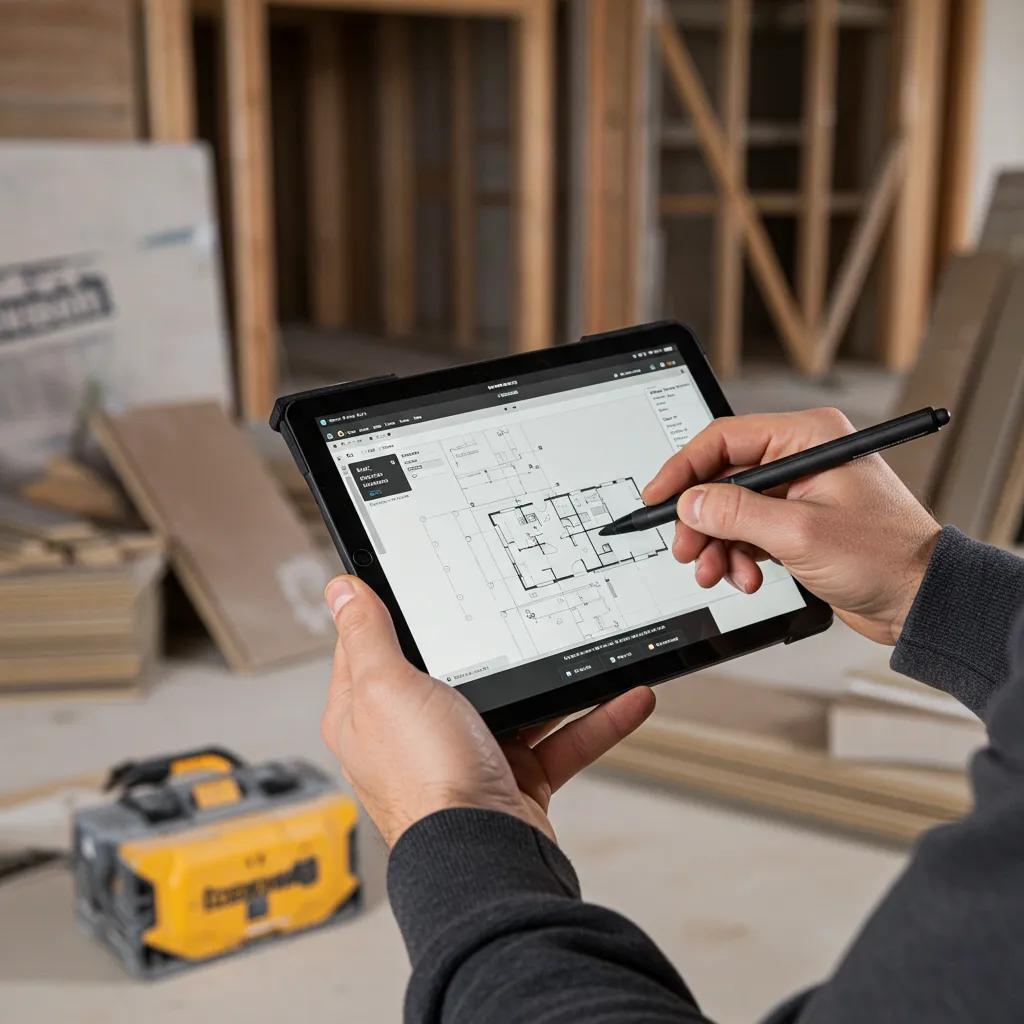
Digital measuring automatically captures measurements. This frees estimators from writing down numbers from paper plans by hand, which greatly cuts down on writing mistakes and expensive re-work. Automatic material calculations smartly apply specific details, like how many individual planks or panels are needed. They also use waste-saving methods to figure out very precise amounts. At the same time, pre-set templates and large libraries help speed up repeated estimates for different commercial vinyl, tile, and tough flooring projects. In real life, the smooth process goes from importing plans to digital measuring, then to material calculation, and finally to creating the quote. This order makes bid times much shorter and ensures everything is always the same. This automatic chain also creates organized data that can easily connect with buying and billing systems, making one reliable source of information for every job.
Using digital models to get exact quantities is a basic idea in modern construction estimating.
BIM-Based Quantity Takeoff and Cost Estimation for Construction Projects
All building parts, like walls and floors, are shown as digital models with specific details. This uses the ideas of BIM-based quantity takeoff and cost estimation.
Development of Quantity Takeoff Methods for, C Khosakitchalert, 2020
What Are the Main Features of Flooring Estimating and Measuring Software?
Estimating and measuring tools have connected features that are carefully made to match what estimators do and help them get better results. Key features include digital measuring, built-in material and labor calculators, customizable templates for waste factors, full bid packaging, strong reporting tools for standard or internal needs, and easy export connections for ordering systems. The table below clearly compares these main parts, showing their unique qualities, what they offer users, and how they affect how fast projects are finished.
Important feature parts and their main benefits:
This comparison clearly shows how each part helps reduce specific risks and makes estimators’ work better. The next section will explain how project tools smoothly connect these estimates to actual work on site.
How Does Flooring Project Management Software Make Commercial Flooring Jobs Better?
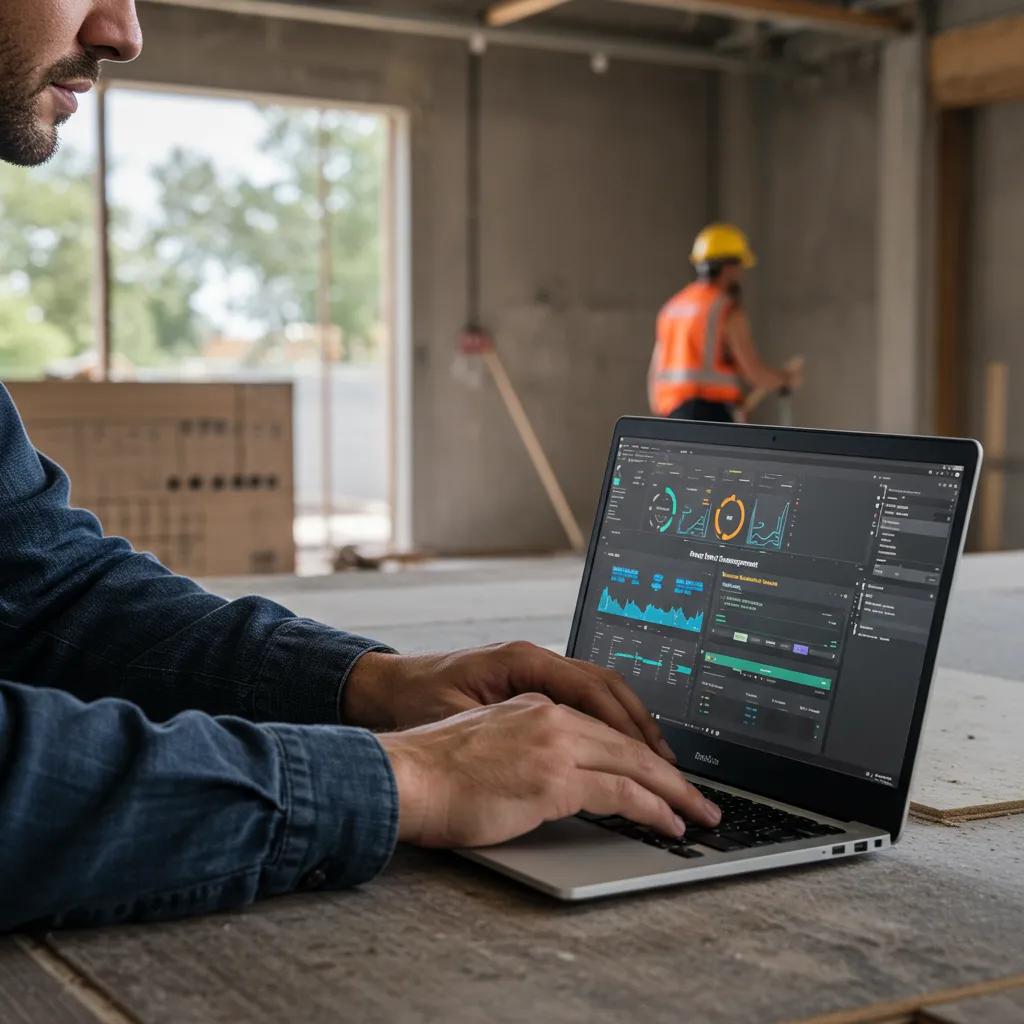
While estimating software provides the initial project scope, a robust ERP system like Comp-U-Floor acts as the important link that connects these estimates to scheduling, buying materials, and doing the work on site. This makes sure installations start with the right amounts and the best use of resources. It does this by smartly linking estimate results to purchase orders, easily assigning workers, and carefully tracking progress with mobile updates that include real-time status and pictures. The clear results are fewer scheduling problems, less wasted time for crews, and a better understanding of how long it takes to get materials. These big improvements depend on a strong, smooth flow of information from the first measurement through buying materials and into full field reports, all managed within a unified ERP environment.
A simple way it works shows how powerful this system is:
- Easily bring in estimate data to automatically create exact purchase and cut lists.
- Smartly assign installers and set clear goals on one easy-to-use schedule.
- Carefully track progress and take important photos using mobile check-ins for real-time updates.
This smooth process greatly reduces manual work and creates better ways to manage money and track job costs for finance teams. The table below carefully matches key project parts to what they achieve, making these big benefits very clear.
Project parts matched with real results:
What Scheduling and Installation Tracking Tools Are Usually Included?
Scheduling tools often have easy-to-use Gantt charts or calendar views, strong ways to assign resources, exact installer assignments, and automatic alerts for possible problems or delays. Mobile apps for field workers let installers check in, upload progress photos, and confirm how many materials were used. This gives the office real-time, accurate information for billing and reordering. Automatic alerts quickly point out missed goals, helping project managers quickly reassign crews or speed up material delivery. This stops delays from spreading. These advanced features together shorten the installation time and greatly improve how estimators and installers share information. This ultimately reduces re-work and expensive changes that cut into profits.
The Power of a Unified System: Comp-U-Floor ERP
While specialized estimating software excels at initial takeoffs and bidding, it’s the seamless integration with a comprehensive ERP system like Comp-U-Floor that truly transforms commercial flooring business management. Comp-U-Floor ERP takes the accurate estimates generated and drives all subsequent project phases: Material Purchasing, Installation Scheduling, Project Management through Delivery, and Invoicing. This unified approach ensures that important customer information, estimates, and invoices are all linked, making sure information flows easily from getting a new customer to sending the final bill, without having to type in the same data twice.
A clear flow of information—Lead → Estimate (via specialized software) → Order (via ERP) → Install (via ERP) → Invoice (via ERP)—shows how strong ERP connections reduce manual steps and speed up payments. Comp-U-Floor ERP keeps inventory in sync, preventing running out of stock and ordering too much by automatically updating amounts as materials are used for jobs, which lowers storage costs. Also, these powerful connections allow for combined reports on job profits and money flow. This gives leaders valuable insights to smartly choose which projects to focus on and how to best use their money, all within a single, integrated platform.
The next section will connect these important improvements to what helps make money and look at advanced features like cloud computing and artificial intelligence.
Which Flooring Business Software Features Help Contractors Make More Money?
Specific software features, especially when part of an integrated ERP system like Comp-U-Floor, directly lead to higher profits by greatly improving how accurate bids are, carefully reducing waste, and speeding up billing. Exact digital measuring greatly cuts down on extra materials. Full job-cost tracking, managed within the ERP, finds unprofitable parts of a project early on. And billing as work progresses, automated by the ERP, shortens the time it takes to get paid. Together, these features boost overall profit, reduce the money needed to run the business, and make it more certain that bids will lead to finished projects. Focusing on these key profit helpers allows contractors to choose the most important features when looking at different software options, prioritizing solutions that offer a complete workflow from estimate to invoice.
Key things that help increase profits include:
- A full view of Work-in-Progress (WIP) that stops expensive extra work before it happens.
- Automatic billing, smartly linked to project goals, which speeds up getting paid.
- Advanced material tracking tools that effectively cut down waste and lower return costs.
These points also set the stage for using cloud-based teamwork and the powerful help of AI, topics we will look at more below.
How Does Cloud-Based Flooring Software Help Teams Work Together From Anywhere?
Cloud-based access makes sure that estimators, project managers, and field crews always use the same set of information. This allows for approvals from far away and real-time updates on measurements from the job site, without waiting for files to be uploaded at the office. Mobile forms, attached photos, and updated change orders all work together to reduce misunderstandings. They also let supervisors working remotely instantly check progress. Real-world examples include field crew updates that automatically trigger new orders when material amounts drop too low, which stops expensive delays. This connected system greatly reduces schedule slips and strongly supports teams managing work across many job sites.
How to Pick the Best Commercial Flooring Software for Your Business
Choosing the right software means making sure its features perfectly match your company’s size, the types of projects you do, and your important connection needs. For maximum efficiency and profit, consider a fully integrated solution like Comp-U-Floor ERP, which combines robust estimating capabilities with comprehensive project management. Focus on easy connections, strong mobile support for field workers, and good training from the seller. Start by making a clear, detailed list of what you need. Clearly separate “must-have” features (like digital measuring, connecting to business systems, mobile check-ins) from “nice-to-have” extras (like AI auto-measuring, advanced reports). Do a full trial of the software using a real project. Carefully check measurable results, like how fast you can send a quote and how much material is wasted, before you decide. This organized, step-by-step approach greatly lowers the risk of choosing wrong and makes sure you get clear value for your money.
A short checklist to help you choose:
- Carefully check how well it connects with your current accounting and customer management systems.
- Thoroughly test mobile features and offline work processes during a trial job.
- Exactly measure how much time estimators save and how much material waste changes during the trial.
These important steps help you make a buying decision based on facts and fully prepare your teams for a successful start. The table below smartly matches feature needs to recommended business sizes, helping you decide what’s most important.
Table showing features for different business sizes:
What Important Things Should Flooring Contractors Think About When Choosing Software?
When choosing software, contractors must carefully think about how well it connects with other systems, how easy it is to get started, how detailed the reports are, mobile features, and the overall price. Moving data and full training often cost extra, so it’s vital to confirm seller support and trial length upfront. Reports and job-cost visibility must perfectly match internal accounting methods to give useful insights into work being done and profits. Choose solutions that offer trial projects and clear, measurable goals for success to truly check what the seller promises.
How Do Case Studies Clearly Show the Value of Flooring Software?
Good case studies carefully show the situation before, explain the software used, and measure the results over a set time. Key numbers include how fast bids are sent, how much material waste is cut down, and how many more jobs are won. Look for studies with companies of similar size and doing similar flooring types. Carefully check how they figured out the savings they reported. A simple case study plan—Problem → Solution → Measured Result (e.g., time saved, percentage of waste reduced, change in win rate)—gives a reliable way to check what sellers claim and accurately guess how much value you might get for your own business.
Common Questions
Which types of flooring projects get the most help from estimating software?
Estimating software is super helpful for commercial flooring projects, especially those with vinyl, tile, and tough materials. These jobs often need exact measurements and careful material calculations to waste less and make very accurate bids. The software’s ability to automatically measure and connect smoothly with project management tools greatly improves how efficient things are. This makes it perfect for big installations where both accuracy and speed are very important. Also, projects with complicated designs or many different flooring types can really benefit from the software’s advanced features to make estimating easier and get better overall project results.
How does flooring estimating software help with rules and reporting?
Flooring estimating software helps a lot with following rules and reporting by giving standard templates and automatic reporting tools. These powerful tools make sure all needed papers, like standard industry reports, are created consistently and very accurately. By keeping a clear record of estimates, bids, and any changes, contractors can easily show they are following industry rules and client demands. Plus, the software’s smooth connection with accounting systems helps track project costs in real-time. This makes everything more open and responsible throughout the whole project.
What is the role of user training in successfully using flooring software?
Training users is absolutely key to successfully using flooring estimating software. Good, full training makes sure that all team members fully understand how to use the software’s many features well. This helps them get the most out of it. Training can cover everything from basic navigation to advanced features, helping users become good at digital measuring, exact material calculations, and connected project management. Also, ongoing support and regular refresh courses help teams easily adjust to software updates and new features. This leads to better efficiency and many fewer mistakes in the estimating process.
Can flooring estimating software connect with my current business systems?
Yes, many flooring estimating software solutions are made to connect smoothly with your current business systems, like customer management (CRM) and business planning (ERP) platforms. This strong connection allows information to flow without stopping between different departments. It greatly reduces the need to type in data by hand and lowers the chance of mistakes. By linking important customer details, detailed estimates, and accurate invoices, businesses can make their work easier and much more efficient overall. When choosing software, it’s very important to check if it works with your current systems to make sure your whole organization has a smooth and optimized workflow.
What are the money costs of using flooring estimating software?
Using flooring estimating software involves different money costs, including initial buying or subscription fees, training costs, and possible costs for connecting with existing systems. However, these first investments are often greatly balanced out by the software’s proven ability to waste less material, make bids more accurate, and speed up project times. Many contractors find that the big return on investment (ROI) is well worth the initial spending, as the software consistently leads to more profits and better project management. It’s important to do a full cost-benefit check to fully understand the long-term money impact.
How does flooring estimating software help project teams work together better?
Flooring estimating software greatly improves how project teams work together by giving them one central place to share important information and real-time updates. With cloud access, team members can always work from the same set of data. This makes sure everyone is perfectly on the same page about project details and important deadlines. Features like mobile check-ins and real-time progress tracking allow for instant communication and immediate feedback. This effectively reduces misunderstandings and expensive delays. This teamwork environment builds stronger cooperation and helps make sure all involved people are in sync. This ultimately leads to smoother project work and better results.
Conclusion: Make Your Flooring Business Better with Smart Software
Using advanced commercial flooring estimating software, especially when integrated with a comprehensive ERP system like Comp-U-Floor, greatly improves accuracy and efficiency. It carefully makes project work easier and greatly cuts down on operating costs by managing every step from initial estimate to final invoice. By automatically taking precise measurements and smoothly connecting strong project management, purchasing, and billing tools, contractors can send bids much faster and make more money. Using these modern digital tools not only reduces mistakes but also creates better teamwork across all teams. Find out today how our integrated software solutions can completely change and improve how your flooring business works.